

- * Instructions- Click any Keyword to Change Filters, then Scroll Down:
- DNA
- Gene
- Genome Database
- Genetics Programs
- Genetics Software
- Genetics Job
- Genetics Engineer
- Genetic Research
- Genome
- Human Genome
- Genomics
- BioScience
- Biotech
- BioEngineer
- Bioinformatics
- Microbiology
- Genetics Books
- History
- Nobel Prize
- Genetic Courses
- Genetics Degrees
- Genetics Training
- Study Genetics
- College Genetics Program
- Genetics Internship
- adenine
- amino acids
- amplification
- antibody
- autoradiography
- autosome
- bacteria
- base pair
- base sequence
- biotechnology
- birth defect
- bone marrow transplantation
- cancer
- carcinoma
- cell
- chromosome
- cloning
- congenital
- deoxyribonucleic acid (DNA)
- DNA
- DNA replication
- DNA sequencing
- dominant
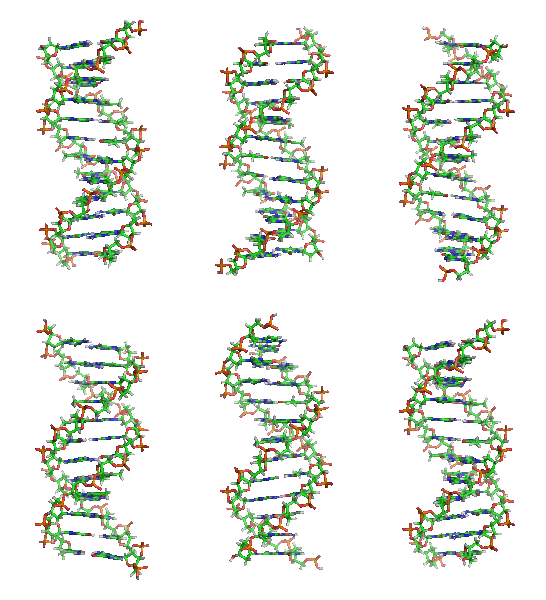
- double helix
- Gene
- Gene Amplification
- Gene Expression
- Gene Pool
- Gene Mapping
- Gene Therapy
- Genetic Code
- Genetic Counseling
- Genetic Marker
- Genetic Screening
- Genome
- Genomics
- Haploid
- Heterozygous
- Homologies
- Human Genome Project
- HIV virus
- hybridization
- immunotherapy
- inherited
- interphase
- karyotype
- kilobase
- library
- linkage
- locus
- localize
- mapping
- marker
- melanoma
- messenger RNA (mRNA)
- metaphase
- mitosis
- mutation
- nucleic acid
- nucleotide
- nucleus
- oncogene
- pedigree
- peptide
- protein
- purine
- ribonucleic acid (RNA)
- ribosome
- sequence-tagged site (STS)
- sex chromosome
- sickle cell
- * Useful Websites:
- * Z101 Website *
- Obituaries101
- FIRE101
- POLICE101
- Protect101
- School Directions
- Internal Medicine 101
- Pharmacology 101
- Genetics 101

 |
GENETICS101.Com Genetics News, Resources Genetics Jobs, Careers, Degrees Filter= HIV Exact Time Set Z101 as Home Page |
|
 FIRE101 Fire Jobs
Genetics101.COM --- Genetics Information, News, Genetics Degrees, Jobs, Careers, Genetics, Resources, and MUCH MORE!
Need to Find information on any subject? ASK THE Genetics101 GURU!
* Contact us *
Copyright (c) 2012-2025 Genetics101.COM